
Foster Feeding Guide – Kitten Edition

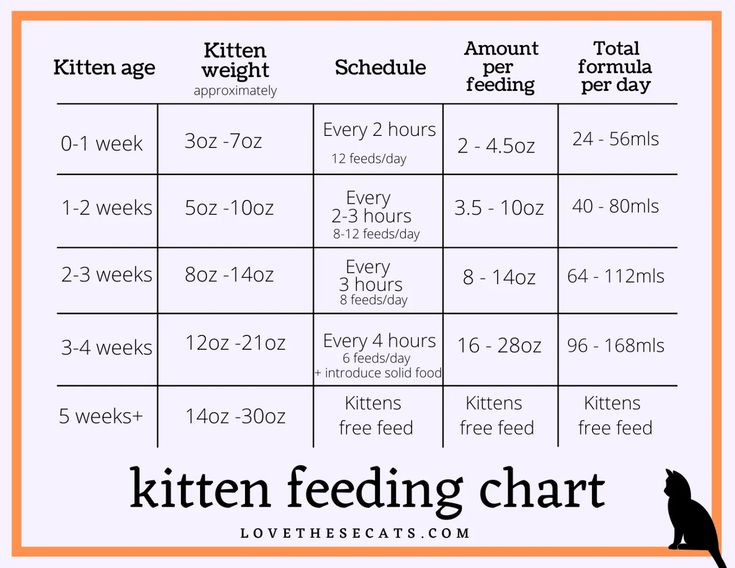
Caring for kittens in foster is lifesaving work, and proper feeding is the foundation of their growth and survival. Kittens have very specific nutritional needs that change rapidly in the first weeks of life. This guide outlines what to feed, how often to feed, and what to monitor as kittens transition from bottle feeding to solid food.
🍼 Newborn Kittens (0–2 Weeks)
Primary Nutrition: Kitten milk replacer (KMR)
How Often: Every 2–3 hours, including overnight
Feeding Notes:
Use commercial kitten milk replacer only (never cow’s milk)
Feed kittens on their bellies with their head level
Allow kittens to nurse at their own pace—never squeeze the bottle
After every feeding, gently stimulate to help them urinate and defecate
Never microwave bottles containing formula. Instead, heat a container of water separately and place the bottle inside it to warm gradually.
What to Watch For:
Daily weight gain (essential for survival)
Warm bodies and strong suckling
🍼➡️🥣 Transitional Kittens (2–4 Weeks)
Primary Nutrition: Bottle feeding + introduction to gruel
How Often:
Bottle feeding every 3–4 hours
Offer gruel 1–2 times per day
What Is Kitten Gruel?
Canned kitten food mixed with kitten milk replacer or warm water
Blended to a soupy consistency
Feeding Notes:
Expect messy eating—this is normal
Kittens may walk through or sit in food
Bottle feeding should continue to ensure adequate nutrition
🥣 Weaning Kittens (4–6 Weeks)
Primary Nutrition: Gruel transitioning to soft food
How Often: 4 meals per day
Feeding Notes:
Gradually thicken gruel by reducing liquid
Kittens should begin chewing and eating independently
Bottle feeding is reduced and typically discontinued by the end of this stage
Provide shallow dishes of fresh water
What to Watch For:
Steady weight gain
Normal stools during food transitions
🐟 Young Kittens (6–8 Weeks)
Primary Nutrition: Solid kitten food
How Often: 3–4 meals per day
Feeding Notes:
Feed kitten-specific canned or dry food
Dry food may be moistened with water if needed
Avoid sudden food changes to prevent diarrhea
Ready for Adoption:
Fully weaned
Eating independently
Using the litter box consistently
🚨 Important Foster Feeding Reminders
Always use kitten-specific food and formula
Clean bottles, bowls, and feeding areas after each use
Monitor weight, appetite, hydration, and stool daily
Contact the foster team immediately if a kitten:
Refuses to eat
Has persistent diarrhea or vomiting
Is losing weight or not gaining
❤️ Thank You for Fostering
Feeding kittens through their earliest stages requires dedication, patience, and consistency. Your care gives these kittens the chance to grow strong and healthy and move one step closer to a forever home.
If you have questions about feeding schedules, amounts, or transitions, please reach out to the foster team—we are always here to support you.