
Foster Spay & Neuter: Post-Operative Care Guide
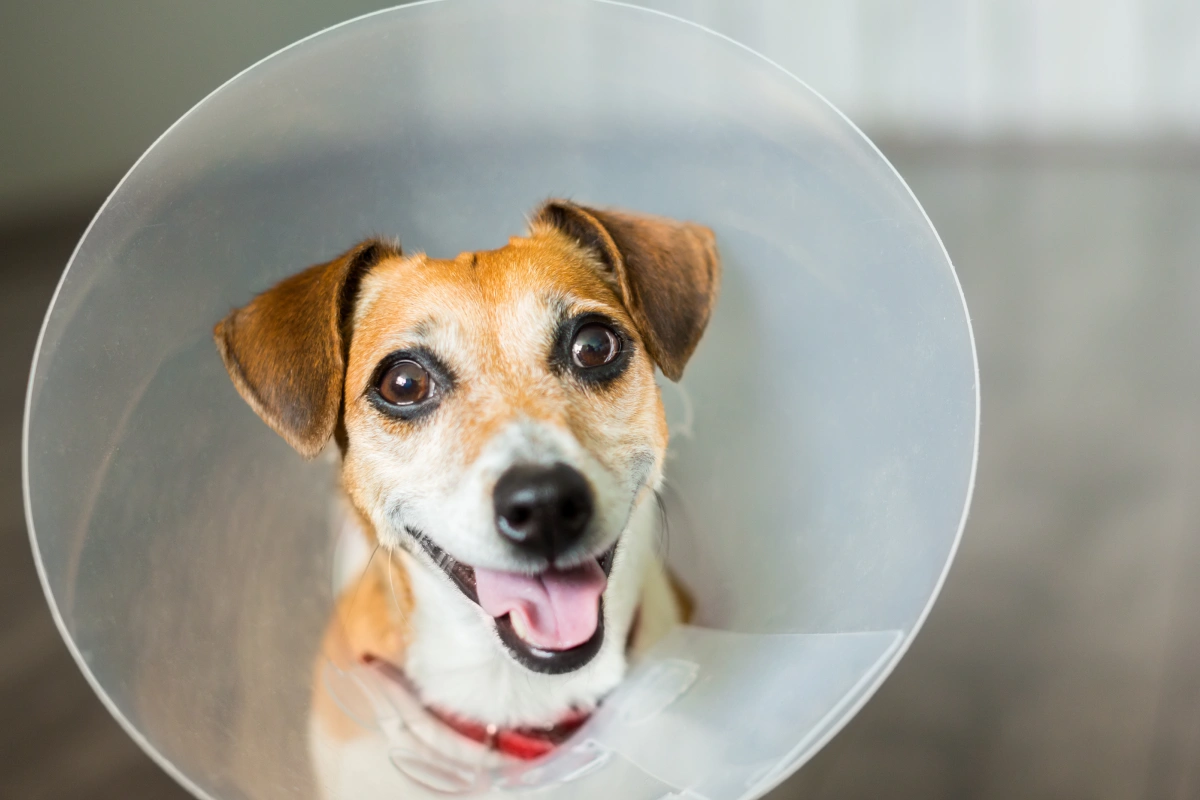
When you welcome a foster pet home after their spay or neuter surgery, you play a critical role in their recovery. While these procedures are routine and safe, proper post-operative care helps ensure healing goes smoothly and prevents complications. Thank you for being part of that process.
What to Expect After Surgery
It is normal for pets to be groggy, sleepy, or slightly disoriented for the first 12–24 hours after surgery. Some animals may experience mild nausea, reduced appetite, or whimpering as anesthesia wears off. These effects should improve by the following day. Post-Op Care
Activity Restrictions
For 7–10 days following surgery, your foster pet should remain calm and avoid:
Running or jumping
Rough play with other animals
Stairs, furniture, or excessive movement
Short, leashed potty breaks are appropriate for dogs. Cats should be kept indoors and confined to a quiet space to limit activity. Reducing movement helps prevent incision swelling, bleeding, or reopening. Post-Op Care
Incision Care
Check the incision site daily. It should be clean and dry with minimal redness or swelling. Do not:
Apply ointments, sprays, or creams
Clean the incision unless directed by shelter staff
Allow licking, chewing, or scratching
An e-collar (cone) must remain on at all times unless otherwise approved. Licking is one of the most common causes of post-surgical complications. Post-Op Care
Feeding & Water
Small amounts of water can be offered once your foster pet is fully awake. If tolerated, a light meal can be provided later that evening. Appetite should return to normal within 24 hours. Contact the shelter if vomiting continues or your foster pet refuses food beyond the next day. Post-Op Care
Pain Management
Your foster pet may go home with prescribed pain medication. Give only the medication provided and follow dosing instructions carefully. Never give human medications or additional pain relievers unless specifically approved by shelter medical staff. Post-Op Care
When to Contact the Shelter
Please reach out immediately if you notice:
Excessive swelling, redness, discharge, or bleeding at the incision
The incision opening
Lethargy lasting more than 24 hours
Persistent vomiting, diarrhea, or refusal to eat
Signs of pain that do not improve
Prompt communication helps us support both you and your foster pet effectively. Post-Op Care
Thank You for Fostering
Spay and neuter surgeries are essential to saving lives and reducing pet overpopulation. Your commitment during recovery helps ensure these animals heal safely and are one step closer to adoption. We truly could not do this work without you.
If you have any questions or concerns, please contact the foster team—we are here to support you every step of the way.