
Tracking Your Foster Puppy or Kitten's Weight
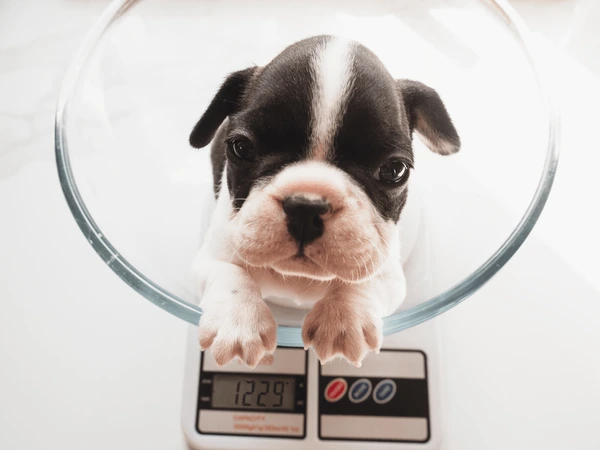
Bringing a foster puppy or kitten into your home is an exciting and rewarding experience. One of the most important — and often overlooked — parts of caring for a young animal is tracking their weight regularly. Weight tells us far more than just how big they’re getting; it’s one of the earliest indicators of health, nutrition, and overall wellbeing.
Weight Gain = Healthy Growth
Puppies and kittens should gain weight consistently as they grow. Even small changes can tell us a lot:
Steady weight gain usually means they’re eating well and developing normally.
Plateaus or weight loss can signal illness, parasites, stress, or feeding issues — often before other symptoms appear.
Because young animals can decline quickly, daily or frequent weight checks allow us to catch concerns early.
Early Detection Saves Lives
Weight tracking is one of the simplest tools fosters have to help keep their foster pet healthy. A lack of weight gain may be the first sign of:
Upper respiratory infections
Gastrointestinal illness
Parasites
Dehydration
Failure to thrive
Catching these issues early allows the shelter or medical team to intervene before the problem becomes serious.
Helps Ensure Proper Nutrition
Monitoring weight helps determine whether your foster puppy or kitten is:
Eating enough
Transitioning to new foods successfully
Ready to increase meal size or frequency
Prepared for weaning (for bottle or slurry-fed babies)
Weight data helps staff make informed decisions about feeding plans and medical care.
Reduces Stress During Medical Visits
When accurate weight records are available, staff can:
Track growth trends over time
Prescribe correct medication dosages
Avoid unnecessary treatments
Make quicker, more confident medical decisions
Your notes provide valuable insight that a single weigh-in at the clinic can’t show.
How Often Should You Weigh?
Neonatal or bottle babies: Daily (same time each day if possible)
Young puppies and kittens: At least 2–3 times per week
Older, stable fosters: Weekly unless otherwise directed
Use a digital kitchen scale for small animals or a bathroom scale for larger puppies. Always weigh before feeding for the most accurate results.
Tips for Successful Weight Tracking
Use the same scale each time
Weigh at the same time of day
Record weights in a log or app
Note changes in appetite, energy, or stool alongside weight
Your Role Makes a Difference
As a foster, you are on the front lines of care. By simply tracking weight, you’re helping ensure your foster puppy or kitten grows strong, stays healthy, and has the best possible chance at a successful adoption.
If you ever notice a lack of weight gain or sudden changes, reach out to your foster coordinator or medical team right away — your observations matter more than you may realize.