
Bottle Baby Foster Guide: Caring for Orphaned Puppies and Kittens
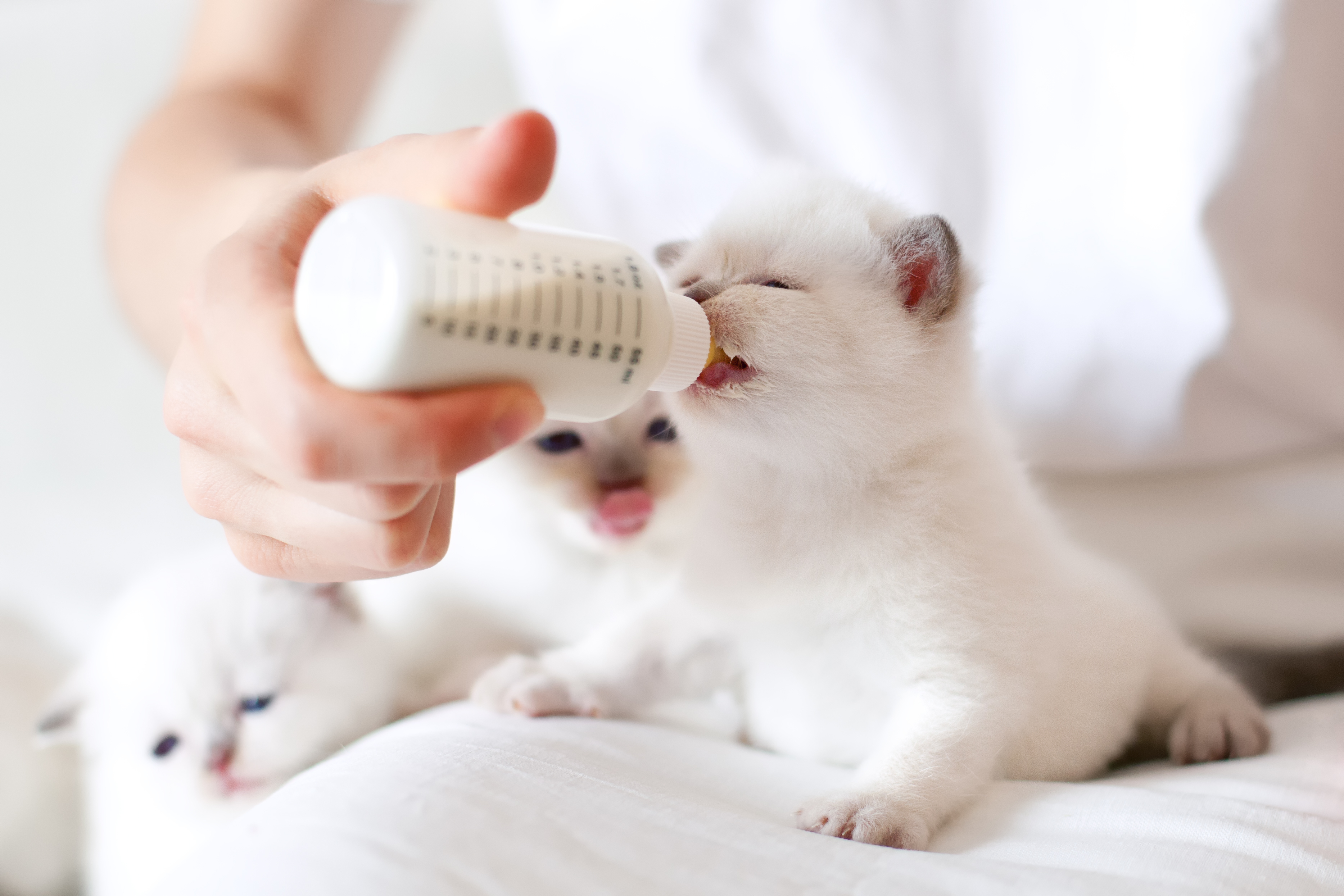
Fostering a bottle baby puppy or kitten is one of the most hands-on and rewarding ways to save a life. These tiny animals rely entirely on their caregiver for warmth, nutrition, and safety. While it can feel overwhelming at first, having the right information — and a consistent routine — makes all the difference.
What Is a Bottle Baby?
Bottle babies are orphaned or separated puppies and kittens who are too young to eat on their own. They require:
Bottle or syringe feeding
Help staying warm
Assistance with bathroom needs
Close monitoring for health changes
With proper care, bottle babies can grow into happy, healthy pets ready for adoption.
Feeding Basics
Newborn puppies and kittens must be fed species-appropriate milk replacer — never cow’s milk.
General Feeding Guidelines:
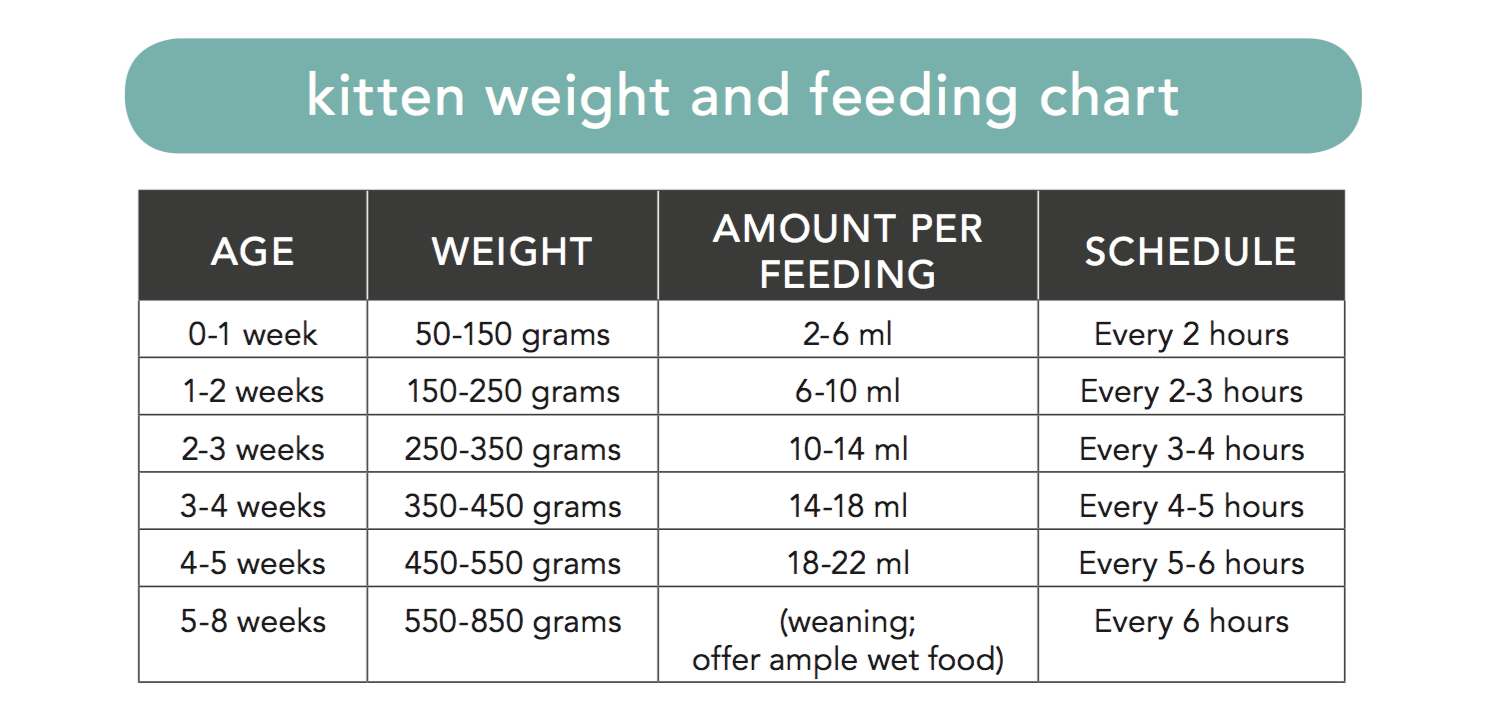
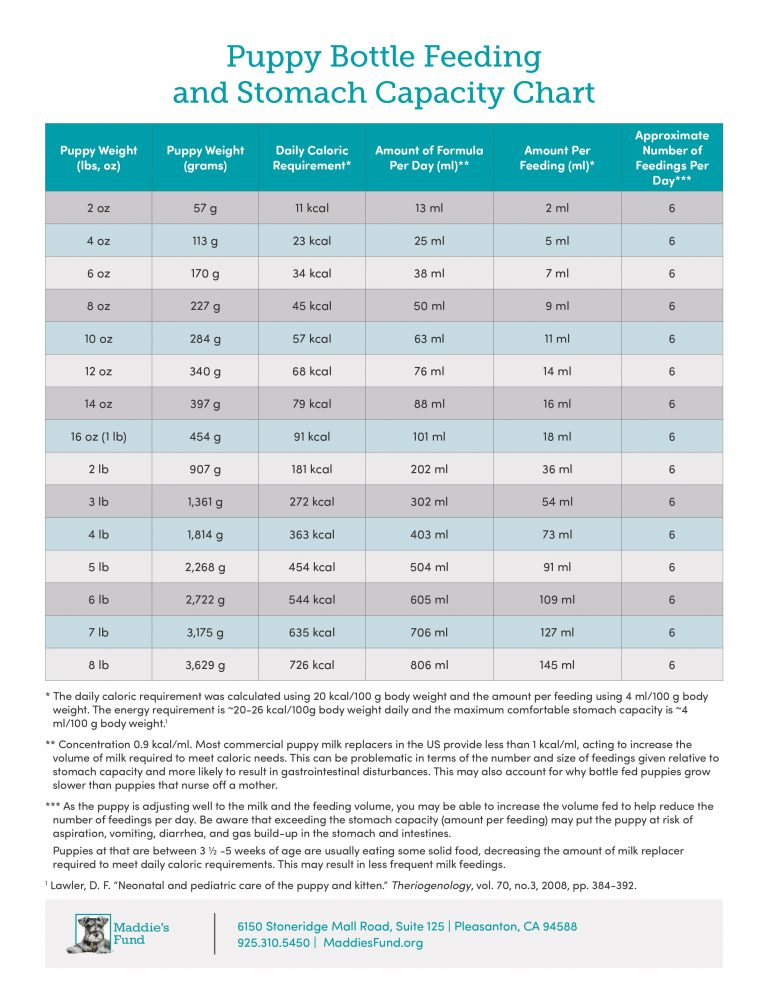
Feed every 2–4 hours, including overnight, depending on age
Warm formula to body temperature (not hot)
Hold babies on their belly — never on their back
Allow them to suckle at their own pace
Stop feeding if milk bubbles from the nose and notify your coordinator
As they grow, feedings will gradually space out and transition to slurry and then solid food.
Keeping Bottle Babies Warm
Young puppies and kittens cannot regulate their body temperature.
Provide:
A heating pad on low (placed under half the enclosure)
Warm bedding that is changed frequently
A draft-free, quiet space
Always ensure babies can move away from the heat source if they get too warm.
Bathroom Assistance Is Required
Bottle babies cannot urinate or defecate on their own.
After each feeding:
Use a warm, damp cloth or cotton ball
Gently stimulate the genital area
Continue until urine and/or stool is produced
This mimics what a mother would naturally do and prevents serious health issues.
Weight Tracking Is Critical
Daily weight checks are one of the most important parts of bottle baby care.
Healthy babies should gain weight every day
Weight loss or no gain for 24 hours is a red flag
Keep a daily log and report concerns immediately
Weight trends often reveal problems before visible symptoms appear.
Cleanliness and Disease Prevention
Bottle babies have fragile immune systems.
Wash hands before and after handling
Sterilize bottles and nipples after each use
Clean bedding daily or as needed
Limit exposure to other animals
This helps prevent illness and keeps everyone safe.
Weaning and Development
As puppies and kittens grow:
Introduce slurry (formula mixed with wet food)
Expect messy meals — this is normal
Gradually reduce bottle feedings
Monitor stool consistency and appetite
Your foster team will guide you through timing and next steps.
When to Contact the Foster Team Immediately
Reach out right away if you notice:
Not eating or weak suckle
Weight loss or no weight gain
Diarrhea or constipation
Lethargy or constant crying
Milk coming from the nose
Difficulty breathing
Early communication can save a life.
Your Impact Matters
Bottle baby fostering requires commitment, patience, and compassion — and it makes an incredible impact. These babies would not survive without foster caregivers willing to step in and provide round-the-clock care.
You are not alone. Your foster coordinator and medical team are here to support you every step of the way. Thank you for giving these puppies and kittens the chance to grow, thrive, and find loving homes.