
May 20th - 27th | The Reset Dog Edition
Sometimes What a Dog Needs Most Is a Chance to Exhale
One of the most rewarding parts of fostering is watching a dog finally begin to relax.
Not perform. Not survive. Not simply exist in a kennel environment. Truly relax.
Many shelter dogs spend their days surrounded by constant movement, barking, unfamiliar people, changing routines, and overstimulation. Even friendly, social, and resilient dogs can struggle to fully settle in that kind of environment over time. That stress can show up in dozens of different ways, from pacing and jumping to shutting down completely.
Then they enter a foster home, and slowly, sometimes almost imperceptibly, they begin to change.
This week’s newsletter focuses on “The Reset Dog” and the incredible impact decompression can have on shelter pets.

When people hear the word “decompression,” they often picture training or behavior correction. But decompression is much simpler than that. It is the process of allowing a dog’s nervous system to slow down after prolonged stress.
Shelter environments are demanding. There are constant sounds, smells, kennel movement, cleaning routines, and limited uninterrupted rest. Even dogs who appear energetic or outgoing may actually be operating in a heightened state of stress for long periods of time.
A foster home changes that environment completely.
Suddenly the dog can sleep without interruption. They begin learning predictable routines. They experience quieter surroundings, softer interactions, and the ability to rest without constantly monitoring what is happening around them.
Often, the first few days in foster are not about training at all. They are simply about allowing the dog to feel safe enough to breathe again.
This is why even short term fostering can make such a meaningful difference.
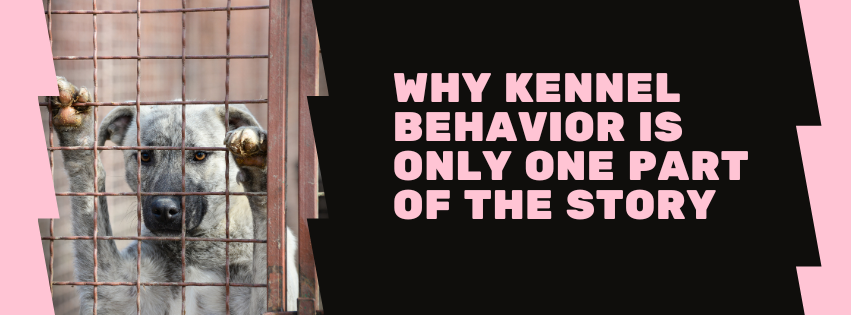
A dog’s kennel behavior is important information, but it is not the whole story. The shelter environment asks dogs to cope with things most owned pets never experience at that intensity: constant noise, unfamiliar dogs, new people walking by, changing routines, limited rest, and very little control over their surroundings.
Research on short term fostering has shown that even one or two nights away from the shelter can reduce stress levels and increase rest for shelter dogs. In one study, dogs who participated in sleepovers had lower cortisol levels while in foster homes and experienced longer periods of uninterrupted rest. That matters because stress does not just affect how a dog feels. It affects how they behave, how they respond to people, and how much of their true personality they are able to show. ()
This is why a dog who jumps, barks, spins, or appears overly excited in the kennel may not be “too much.” They may be responding to frustration, overstimulation, or the stress of confinement. On the other hand, a dog who seems quiet, shut down, or uninterested may not be “low personality.” They may simply be overwhelmed and trying to cope by retreating inward.
A home gives us context the kennel cannot. It helps us answer better questions: Can this dog settle after a walk? Do they sleep through the night? What helps them feel safe? Do they seek affection once the room is quiet? Are they playful once they have decompressed? Do they prefer structure, space, toys, routine, or companionship?
That is where the Foster Report Card becomes so valuable. Your notes help us connect the dots between what we see in the shelter and who the dog becomes once they have had a chance to rest. Those observations help staff, adopters, and rescue partners make more informed decisions and better matches.
The kennel shows us how a dog is coping in the shelter. Foster care helps show us who they are when they finally get the chance to exhale.

One of the most rewarding parts of fostering is realizing you are watching a dog slowly let their guard down.
For many shelter dogs, true rest does not happen immediately. Even after entering a foster home, some dogs remain alert, restless, or uncertain for the first several days. This is not stubbornness or “bad behavior.” It is often the result of prolonged stress and a nervous system that has spent days or weeks operating in survival mode.
Studies in shelter medicine and animal behavior continue showing how chronic stress impacts dogs physically and emotionally. Elevated stress hormones can affect sleep, appetite, digestion, learning ability, and social behavior. In many cases, dogs need time before they feel safe enough to fully relax and behave naturally.
That process often happens gradually.
Sometimes the first sign is sleep. Not a quick nap, but deep, uninterrupted sleep where the dog finally stops monitoring every sound and movement around them. Many fosters report their dogs sleeping for hours after arriving home, sometimes more deeply than they ever did in the shelter.
Other signs can be much more subtle. A dog who initially paced the room may begin settling nearby instead. A dog who refused toys may suddenly start carrying one around the house. Appetite improves. Body language softens. The dog begins exploring instead of scanning. They start showing curiosity, routines, preferences, and personality.
This process is often called decompression, but what we are really watching is trust develop in real time.
It is important to remember that relaxation does not look the same for every dog. Some dogs settle quickly within hours. Others may need days or weeks before they fully decompress. Personality, previous experiences, shelter length of stay, age, breed tendencies, and the home environment itself can all influence the timeline.
One of the most valuable things fosters can do during this period is simply observe without rushing expectations. The small moments matter. The first full body stretch. The first time they choose to nap near you. The first relaxed sigh. The first toy they decide is theirs.
Those moments often tell us far more about the dog than the kennel ever could.

Every note, update, photo, or message a foster sends helps build a clearer picture of that animal.
Sometimes the smallest observation becomes the detail that helps secure an adoption or rescue placement.
Things like:
“He loves riding in the car.”
“She slept quietly through the night.”
“He ignored the vacuum.”
“She follows me from room to room.”
“He gets excited when he sees the leash.”
Those details help animals feel real and relatable to potential adopters.
Foster notes also help shelter staff better support future placements and understand what environments help the animal succeed.
Never underestimate how valuable your updates are.

One of the best parts of foster care is discovering all the little things we never would have learned in the shelter.
Sometimes it is funny. Sometimes surprising. Sometimes it completely changes how we advocate for a dog.
Maybe your foster turned out to love watching TV. Maybe they carry around stuffed animals everywhere they go. Maybe the “wild kennel dog” turned into the calmest couch potato imaginable after one nap and a snack.
These stories matter more than people realize.
Next week, we would love to feature foster experiences and lessons learned directly from you. We’ll be sharing a form where fosters can submit stories, photos, and observations to help future fosters and adopters better understand what fostering really looks like.
Some things we’d love fosters to share:
Funny or unexpected habits your foster developed
What changed after the first 48 hours
What surprised you the most about your foster journey
Best enrichment activities that worked for your foster
Please take a few moments to share some of your experiences by filling out the form below. Your experiences not only help adopters connect with animals, they also help newer fosters feel more prepared and confident.
Sometimes fostering changes a dog’s entire future.
Sometimes it simply gives them a chance to rest.
Both matter.
For many dogs, decompression is the first step toward showing the world who they truly are. And often, the people who witness that transformation firsthand are the fosters who gave them the opportunity to finally feel safe enough to let their guard down.