
April 21st - 28th
This Week, We Celebrate You
🌟 National Volunteer Appreciation Week | April 19th - 25th 🌟
Today, we pause to celebrate something truly extraordinary… YOU.
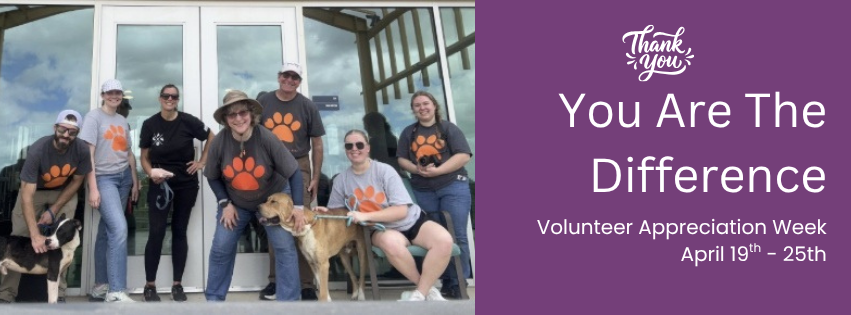
To every single FWACC Volunteer —
the daily dog walkers, the enrichment makers, the photographers, the transport heroes, the event champions, the fosters, the advocates, the quiet helpers behind the scenes…
You are the heartbeat of this shelter.
Because of you:
🐾 Dogs get their much-needed walks and fresh air
🐾 Scared animals feel comfort and connection
🐾 Photos capture personalities that lead to adoptions
🐾 Events turn into second chances
🐾 Lives are saved — every single day
There is no metric big enough to measure the impact you make… but we see it. We feel it. And most importantly — the animals feel it.
In a place that can sometimes feel overwhelming, you bring light, hope, and compassion.
You show up. You care. You make a difference.
From the bottom of our hearts —
THANK YOU for being the reason so many of our animals get their second chance. 🐶🐱💕
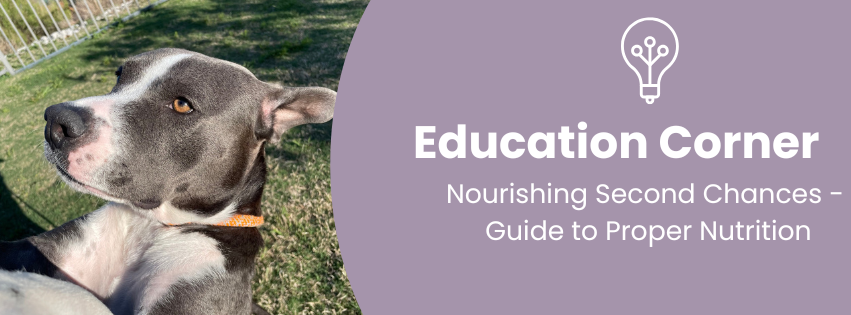
Proper nutrition plays a critical role in the health, behavior, and overall well-being of our shelter animals. Feeding the correct type and appropriate portion size helps maintain a healthy weight, supports digestion, and ensures each animal has the energy they need without causing unnecessary stress on their bodies. Overfeeding—even when it comes from a place of kindness—can lead to upset stomachs, diarrhea, and long-term health concerns. By following established feeding guidelines and portion recommendations, we are helping each animal stay balanced, comfortable, and set up for success both in the shelter and in their future homes.
For animals who arrive underweight, it’s especially important to take a slow and controlled approach to feeding. While it may be tempting to give extra food right away, doing so can actually be dangerous. Rapid refeeding can overwhelm their system and lead to serious complications, including digestive distress and refeeding syndrome. Instead, these animals require carefully measured, gradual increases in food to allow their bodies to safely adjust and properly absorb nutrients. Consistency and patience are key—by following feeding protocols, we are not only helping them gain weight, but doing so in a way that supports true healing and long-term health.Not every day will look like improvement—and that’s okay.
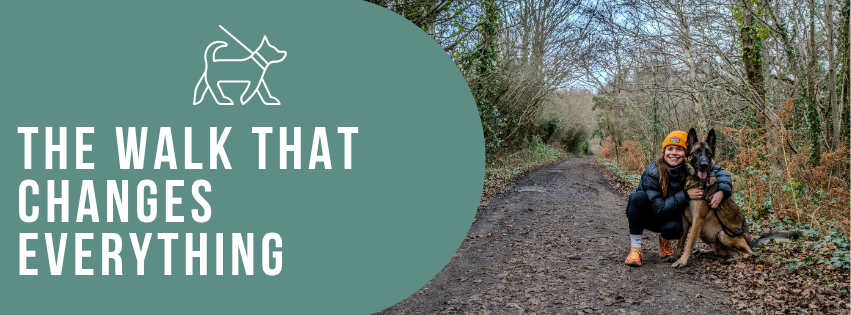
Every day, dogs in the shelter are waiting for more than just a home. They are waiting for a moment outside their kennel.
A simple walk may not seem like much, but for a shelter dog, it can completely change their day.
Studies have shown that even short periods of exercise and enrichment can lower stress levels in dogs. In a shelter environment, where noise and constant activity can be overwhelming, a walk provides relief. It allows them to decompress, reset, and return to their kennel in a calmer state.
Dog walking also plays a direct role in adoption. Dogs that receive regular interaction and time outside are more likely to present as relaxed and social when adopters pass by.
One walk can lead to one good interaction.
And one good interaction can lead to a home.
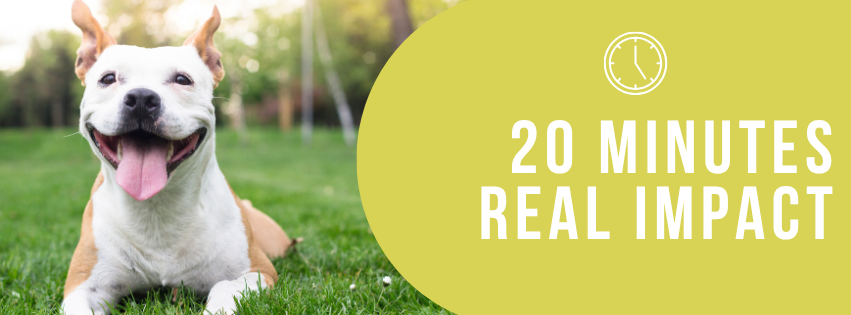
You do not need hours to make a difference.
Just 20 to 30 minutes of walking can reduce stress, improve behavior, and give dogs the mental stimulation they need. New sights, new smells, and time with a person all contribute to a healthier and more balanced dog.
Dogs that are walked regularly tend to be quieter in their kennels, easier for staff to handle, and more appealing to potential adopters. Research supports that enrichment and human interaction increase positive behaviors that influence adoption decisions.
For many dogs, that walk is the best part of their day.
And for some, it is the only time they get to step outside.
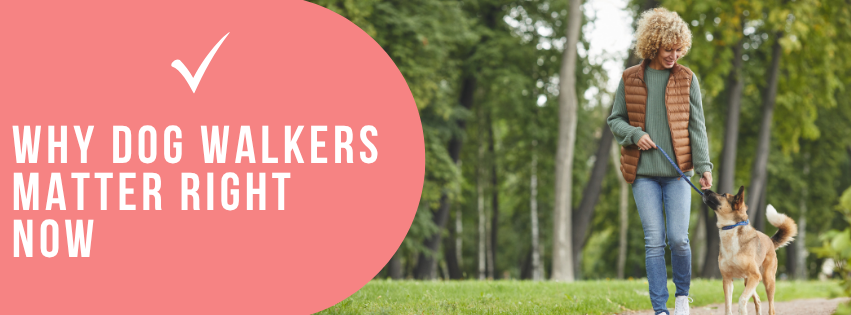
As we move into our busiest intake season, the need for dog walkers becomes even more important.
More dogs in the building means less time out of kennels for each individual dog. Without that outlet, stress builds quickly and can impact behavior, health, and overall wellbeing.
This is where volunteers make a real difference.
Dog walkers help reduce stress across the shelter, improve quality of life, and give dogs a better chance at adoption. A dog that has been walked is more relaxed, more social, and more likely to connect with someone walking through the kennels.
You do not need experience to get started. You just need a willingness to show up and spend time with a dog who needs it.
If you have been looking for a way to make an immediate impact, this is one of the most powerful ways to do it.
Have we convinced you? Follow the link below to learn more about dog walking and to signup for your next shift!

Did you know that all of our volunteer opportunities are housed in the Volunteer Resource Center?
Not only can you explore each opportunity and learn about the impact you’ll have in each role, but you can also sign up directly from the article—making it easier than ever to get involved.
We’ve streamlined the process so you can spend less time searching and more time making a difference.
Take a minute to
👉 Explore opportunities and sign up here: Volunteer Opportunities

Are you in the loop? Our FWACC Official Volunteer Group Chat on Facebook is where all the real-time connection happens—and we’d love to see it grow!
Right now, we have 383 members… but we know there are hundreds more of you out there who could be part of the conversation.
This is where we share:
🐾 Immediate shelter needs and ways you can jump in
🐾 Volunteer shout-outs and wins worth celebrating
🐾 Fun articles, updates, and behind-the-scenes moments
It’s a great way to stay connected, informed, and engaged with everything happening across the team.
👉 Join the group here: FWACC Official Volunteer Group Chat
Let’s make sure everyone is in the know—invite your fellow volunteers and help us grow this space!