
Helping Newborn Kittens Latch During Bottle Feeding
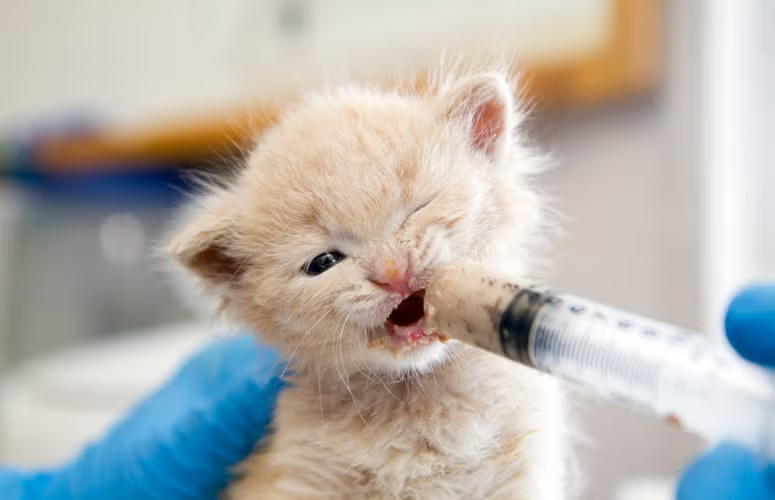
Caring for newborn kittens can be incredibly rewarding, but it can also come with challenges—especially during bottle feeding. One common concern for new fosters is when kittens refuse to latch onto a Miracle Nipple or bottle. This is very common during the first few feedings, as kittens are still learning how to nurse without their mother.
With patience and the right techniques, most kittens will learn to latch and feed successfully. If they are struggling, the following tips can help encourage nursing and ensure they still receive the nutrition they need.
Make Sure the Kitten Is Warm
Newborn kittens cannot properly digest food if they are cold. A kitten that feels cool to the touch may refuse to latch or feed.
Before attempting to bottle feed, check the kitten’s temperature. Newborn kittens should have a body temperature between 96–100°F. If a kitten feels cool, warm them slowly before feeding.
You can do this by placing the kitten on a heating pad set to low, using a wrapped warm water bottle, or holding them against a warm towel or blanket. Allow the kitten to warm for 10–15 minutes before attempting to feed again.
Check the Formula Temperature
Formula temperature is also important for successful feeding. Milk replacer should be warmed to approximately 100°F, which is similar to a mother cat’s body temperature.
Before feeding, test the formula by placing a drop on the inside of your wrist. It should feel warm, but not hot. If the formula is too cool, kittens may refuse to nurse.
Encourage the Kitten to Latch
Some kittens need a little help figuring out how to latch onto the nipple.
You can encourage nursing by gently rubbing the Miracle Nipple across the kitten’s lips to stimulate a rooting response. Placing a small drop of formula on the nipple can also help, allowing the kitten to taste the milk and become interested in feeding.
Once the kitten begins rooting, you can gently guide the nipple into their mouth.
It is important not to squeeze formula directly into the kitten’s mouth, as this can lead to aspiration, which occurs when liquid enters the lungs.
Use the Proper Feeding Position
Kittens should always be fed in a natural nursing position, similar to how they would nurse from their mother.
The kitten should be positioned belly down, with their head slightly elevated. Never feed a kitten on their back, as this increases the risk of aspiration.
Supporting the kitten in this natural posture helps them swallow safely and encourages normal nursing behavior.
Check the Nipple Flow
If a kitten is attempting to latch but is not getting formula, the nipple opening may be too small.
To test the flow, turn the bottle upside down and gently squeeze. The formula should slowly drip, not stream out.
If no formula comes out, you may carefully enlarge the hole using a sterile needle. Be sure the opening remains small enough to prevent formula from flowing too quickly.
Syringe Feeding When a Kitten Won’t Latch
If a kitten still will not latch onto the Miracle Nipple, syringe feeding can be used temporarily to ensure they receive nutrition.
Attach a small syringe (often 1–3 mL) to a Miracle Nipple if available, or carefully syringe small drops of formula.
Important tips for syringe feeding:
Keep the kitten belly down in a natural nursing position.
Never force formula into the mouth.
Allow the kitten to lick or swallow small drops at a time.
Slowly place one tiny drop of formula on the tongue or lips and allow them to swallow before giving more.
Syringe feeding should be slow and controlled. The goal is to support the kitten until they begin suckling naturally, not to push milk into their mouth.
Many kittens begin to latch onto the Miracle Nipple after a few assisted syringe feedings.
Stimulate the Kitten Before Feeding
Very young kittens may need to eliminate before they feel comfortable eating.
Before feeding, gently stimulate the kitten using a warm, damp cotton ball or tissue on the genital area. This mimics the care their mother would provide and may help them relax and feed more easily.
Watch for Signs of Weakness
If a kitten is:
Very lethargic
Not crying or rooting
Refusing multiple feedings
this could indicate a medical concern.
In these cases, the kitten may require immediate support and should be reported to the foster team or veterinary staff as soon as possible.
A Helpful Tip
A small trick many experienced fosters use is placing a tiny drop of formula on the kitten’s nose or lips. Instinctively, the kitten will lick the formula and often begin suckling shortly afterward.
Bottle feeding newborn kittens takes patience and practice, both for the kitten and the caregiver. With gentle encouragement, proper technique, and temporary syringe feeding when needed, most kittens quickly learn to latch and feed successfully. If challenges continue, do not hesitate to reach out to your foster support team for guidance.