
Lifeskills Enrichment Volunteer – Helping Shelter Pets Prepare for Real Life
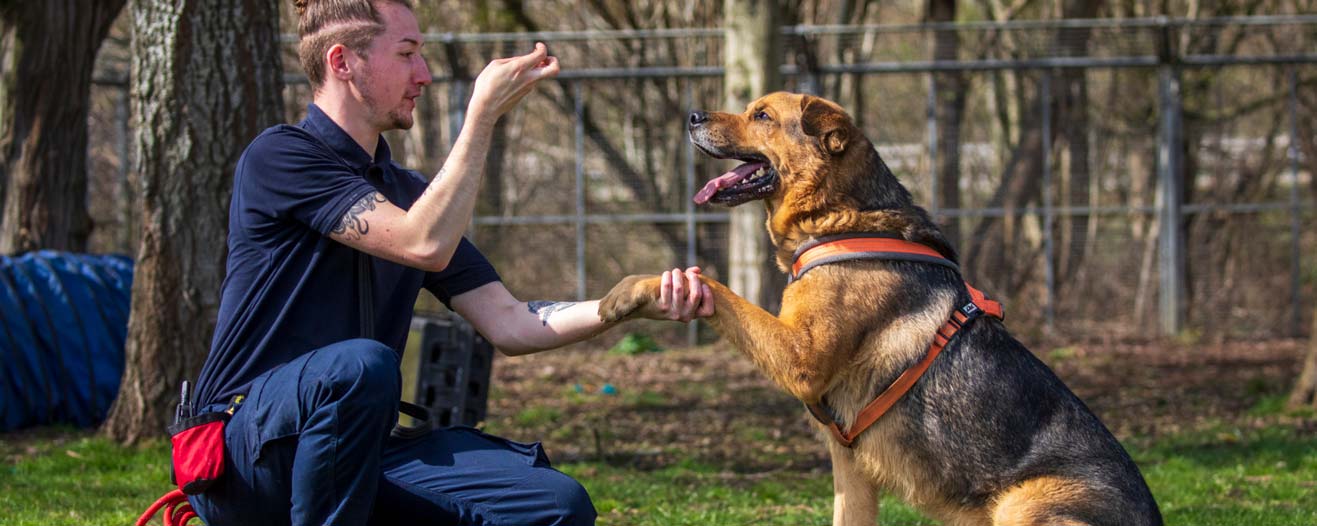
Walks and cuddles are important, but preparing shelter animals for life in a home requires more than exercise and affection. Lifeskills Enrichment Volunteers help dogs and cats build the confidence, manners, and coping skills they need to succeed once they leave the shelter. By working with animals through structured enrichment and training activities, volunteers help them develop behaviors that make the transition to a home smoother and more successful.
In this role, volunteers work hands-on with dogs and cats to practice skills that support adoptability and long-term success. This may include reinforcing basic leash manners, practicing simple obedience cues, or helping animals learn how to remain calm and confident in new situations. Volunteers also use enrichment tools and games to encourage problem-solving, reduce stress, and provide positive outlets for energy.
This opportunity is especially impactful for animals who may be struggling in the shelter environment. Some dogs and cats experience kennel stress or fear due to the constant activity and unfamiliar surroundings. Lifeskills Enrichment Volunteers help these animals build confidence through patient, structured interaction and positive reinforcement. By helping them develop coping skills and calmer behaviors, volunteers play a key role in improving both their daily well-being and their chances of adoption.
Many shelter animals have limited exposure to everyday experiences that are common in homes and communities. Through enrichment sessions and guided training activities, volunteers gradually introduce animals to new sights, sounds, surfaces, and objects in a supportive environment. These experiences help animals learn how to navigate the world with confidence.
As animals progress, some volunteers may also participate in off-site experiences through our Doggy Day Out Volunteer Program. These outings allow dogs to practice their lifeskills in real-world settings such as parks, walking trails, or pet-friendly locations. Experiences outside the shelter can significantly boost a dog’s confidence and help them demonstrate behaviors that adopters are looking for in a companion.
This role is ideal for volunteers who are patient, consistent, and interested in animal behavior or training. Volunteers work closely with shelter staff and follow established training plans to ensure animals receive positive, structured learning experiences that support long-term success in a home.
When animals develop stronger lifeskills, they often present better to adopters and transition more smoothly into their new families. By helping dogs and cats build these skills, volunteers directly support adoption success and help set pets up for a brighter future.
Before getting started, volunteers must complete Animal Health, Animal Handling, Animal Behavior, and Lifeskills training to ensure safe and effective interactions with shelter animals.
To view and complete our trainings - CLICK HERE
Lifeskills Training - CLICK HERE