
Understanding Heartworm Disease in Dogs
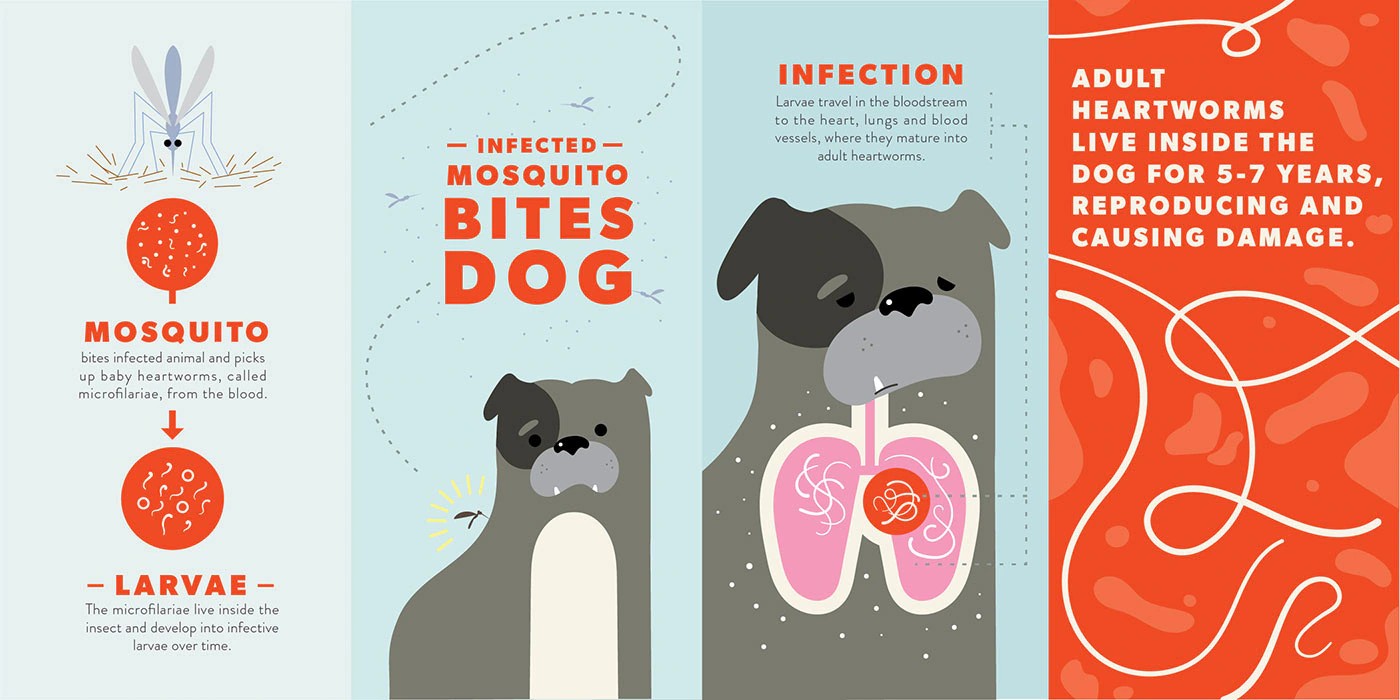
Heartworm disease is one of the most common — and most misunderstood — medical conditions we see in dogs entering shelters in Texas. The good news? While the name may sound scary, heartworm disease is treatable, manageable, and very preventable.
At Fort Worth Animal Care & Control, many of the dogs entering our care test positive for heartworms simply because they have never had access to routine veterinary care or monthly prevention. Because of the climate here in Texas, heartworms are unfortunately very common. But with treatment and a little patience, these dogs go on to live long, healthy lives.
And the best part? FWACC covers heartworm treatment for free after adoption or rescue placement — and often while the dog is in foster care.
What Are Heartworms?
Heartworms are parasites that live in a dog’s heart, lungs, and surrounding blood vessels. They are spread only through mosquito bites.
When an infected mosquito bites a dog, it can transmit microscopic heartworm larvae into the bloodstream. Over time, these larvae grow into adult worms that settle in the heart and lungs.
This process happens slowly over several months, which is why many dogs with heartworms show little to no symptoms early on.
Left untreated, heartworms can cause damage to the heart and lungs. But when caught and treated appropriately, most dogs make a full recovery.
Why Heartworms Are Common in Texas
Heartworm disease is significantly more prevalent in warmer climates like Texas because mosquitoes thrive in warm, humid environments.
Mosquitoes are active here for most of the year, meaning dogs without consistent prevention are at much higher risk of exposure.
Many dogs that arrive at the shelter have spent time outdoors, may have lived as strays, or may never have received regular veterinary care. Because of this, testing positive for heartworms is not unusual and it is not a reflection of the dog’s health, personality, or adoptability.
It simply means they need treatment and a safe place to recover.
Heartworm Treatment Through FWACC
At Fort Worth Animal Care & Control, we want heartworm status to never be a barrier to a dog finding a home.
That’s why we offer free heartworm treatment after adoption or rescue placement, and in many cases we can begin the process once a foster home has been secured.
Our treatment protocol follows proven veterinary guidelines and happens in two main phases.
Phase One: Preparation
Dogs begin with a 30-day course of doxycycline, an antibiotic that helps weaken the heartworms and improve the effectiveness of treatment.
This stage is often very easy for fosters and adopters — it simply involves giving medication as prescribed and allowing the dog to continue settling into their home.
Phase Two: Fast-Kill Treatment
After the doxycycline course is completed, dogs receive two injections on two consecutive days at our shelter medical facility.
These injections eliminate the adult heartworms and are a critical step in treatment.
The injections must occur within six months of completing the doxycycline course.
Aftercare: The Most Important Part
After the injections, dogs need strict rest and limited activity for several weeks while their bodies safely absorb the dead heartworms.
This is the most important part of the recovery process.
During this time, your dog should:
• Avoid running, rough play, or strenuous exercise
• Go on short, calm leash walks only
• Rest comfortably in a calm home environment
• Be monitored for coughing, lethargy, or changes in breathing
This rest period helps prevent complications and allows the dog’s body to heal properly.
While we can support dogs through this treatment while they are in foster care, our goal is always to secure a permanent home before the injections occur. This allows the dog to recover in the same environment where they will continue to live, helping strengthen the bond between dog and adopter during recovery.
Many adopters find this quiet healing period becomes a special time for bonding.
Heartworm Myths (Let’s Bust Them!)
Heartworm disease carries a lot of misconceptions. Let’s clear up a few of the most common ones.
Myth: Heartworms are contagious.
Fact: Heartworms cannot spread directly between dogs.
They require a mosquito to transmit the infection.
Your resident pets cannot catch heartworms from a positive dog in your home.
Myth: Heartworm-positive dogs are always very sick.
Fact: Many heartworm-positive dogs show little to no symptoms when first diagnosed.
Most continue to be happy, playful, and affectionate pets during treatment.
Myth: Treatment is extremely dangerous.
Fact: Modern heartworm treatment is very safe when proper rest is followed.
Complications are rare when activity is restricted during recovery.
Myth: Heartworm dogs can’t live normal lives.
Fact: Once treated, dogs go on to live completely normal, healthy lives.
After recovery, the only ongoing need is monthly heartworm prevention.
Your Role is Lifesaving
When you foster or adopt a heartworm-positive dog, you’re giving them something they may have never had before: the chance to heal in a safe, loving environment.
Heartworm disease can sound intimidating at first, but these dogs are often some of the most loving and grateful companions you’ll ever meet.
With your patience, care, and a little rest during treatment, they’ll soon be wagging their tails, exploring the world, and starting the next chapter of their lives.
And every one of those moments will be possible because you said yes.
Questions or Support
If you ever have questions about heartworm treatment or caring for your foster dog, our team is here to help.
For questions, support, or more information, contact us at: