
Outbound Assistant – Helping Pets Take Their Next Step
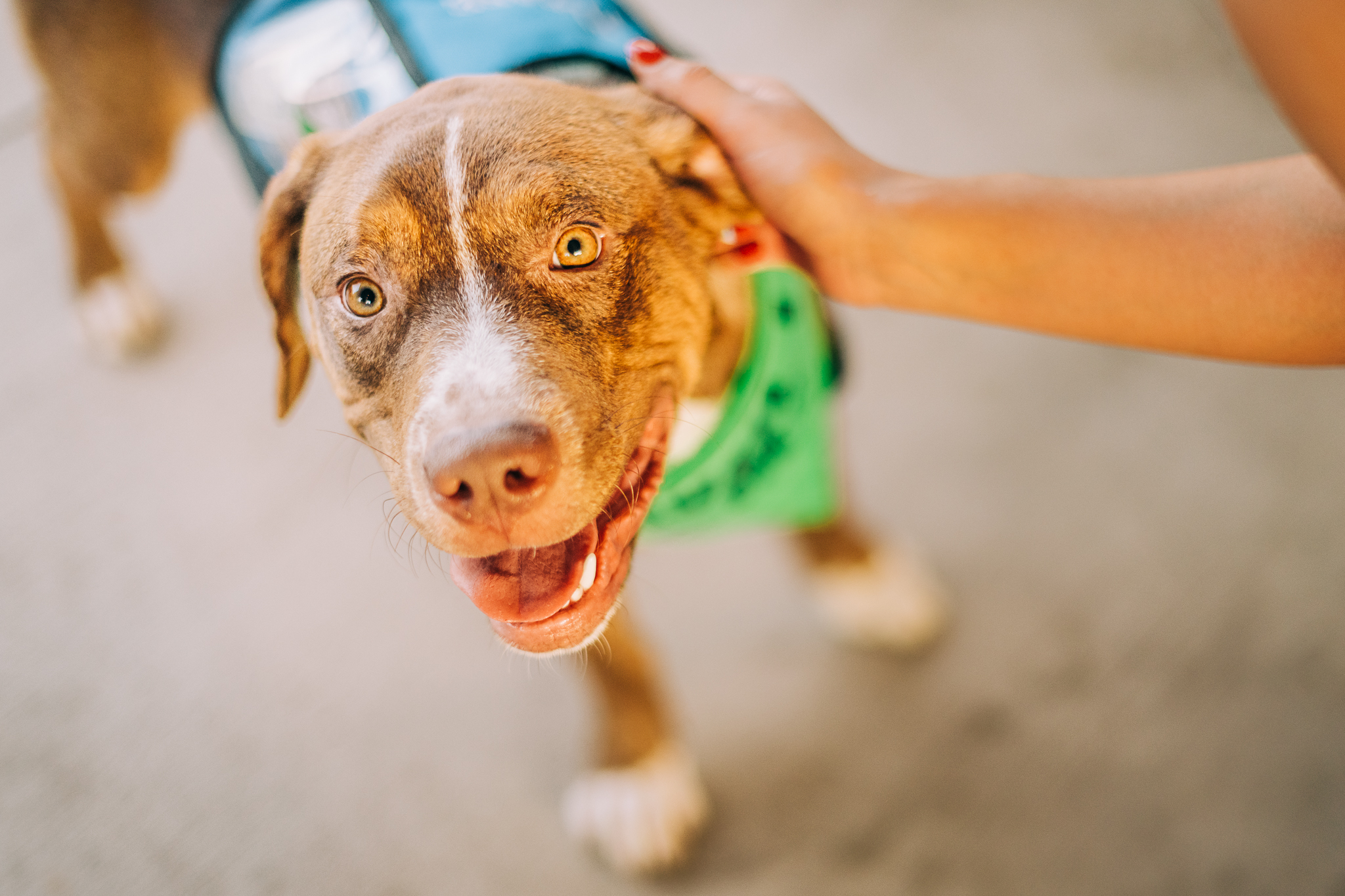
Every week, dozens of dogs and cats leave the shelter for foster homes, rescue partners, adoption events, or even a day out with volunteers through programs like Doggy Day Out. These transitions are some of the most important moments in a shelter pet’s journey. Each time an animal walks out the door for a foster home, a rescue transport, or a community event, it creates space, opportunity, and hope. Outbound Assistants are the volunteers who help make those moments happen smoothly.
Volunteers in this role support the many programs that move animals out of the shelter and into environments where they can thrive. From preparing pets to leave the building to assembling supply kits for new fosters, Outbound Assistants help ensure that every dog and cat transitions safely and efficiently. On any given shift, you might be retrieving a dog from a kennel, helping get a kitten ready for an off-site adoption event, or restocking foster supply bags so families have everything they need to succeed. These tasks may seem simple, but they are essential to keeping the shelter’s lifesaving work moving forward.
This opportunity is a great fit for volunteers who enjoy staying active and organized while working hands-on with animals. Outbound Assistants work closely with staff guidance at first, then often complete tasks independently once trained. The role supports multiple programs at once—including foster placements, rescue transfers, off-site events, and enrichment outings—helping pets move through the shelter more quickly and safely.
When animals leave promptly for foster homes, events, or rescue partners, it greatly improves their wellbeing. Time outside the shelter provides socialization, mental stimulation, and a calmer environment where pets can decompress and show their true personalities. These opportunities increase their visibility and greatly improve their chances of finding permanent homes. By helping pets take that next step, Outbound Assistants directly support the shelter’s ability to save more lives.
Before getting started, volunteers must complete Animal Health, Animal Handling, and Animal Behavior training to ensure they understand safety protocols when working with shelter animals and supporting placement programs.
To view and complete our trainings - CLICK HERE
Volunteer duties, access, and privileges are valid only during the scheduled shift selected through the online volunteer scheduling system. A 15-minute grace period is allowed before and after each shift so volunteers can prepare for and wrap up their assignments.
Helping a pet leave the shelter—even for just a day—can change their entire future.
Sign up to volunteer as an Outbound Assistant:
Henry’s Animal Campus – CLICK HERE
Silcox Animal Shelter – CLICK HERE